
The industrial revolution and the subsequent advancements in technology have marked the progression of various engineering tools, among which drill rigs have played a pivotal role. Drilling, an essential activity in industrial applications such as oil and gas extraction, mineral exploration, and infrastructure development, relies heavily on the capability of drill rigs.
A drill rig is a complex machine designed to create holes in the earth’s subsurface. It can be massive structures or small enough to be moved manually by a single person. Drill rigs are crucial for sampling sub-surface mineral deposits, testing rock, soil and groundwater physical properties, and also for installing sub-surface fabrications, such as underground utilities, instrumentation, tunnels, and wells.
From their humble beginnings as simple mechanisms powered by human or animal labor, drill rigs have evolved into highly sophisticated pieces of engineering. This evolution has been driven by the need for speed, efficiency, precision, and adaptability in reaching the depths of the earth’s crust for resource extraction and exploration.
The significance of drill rigs in the technological evolution cannot be understated. They are the frontline tools in the quest for energy resources, enabling access to materials that power industries, cities, and homes. Drill rigs have also been central to the development of infrastructure, allowing for the construction of foundations for buildings, bridges, and other structures.
As we delve deeper into the history and advancements of drill rigs, we will explore how these machines have transformed from manual augers to the high-tech, automated systems we see today. The subsequent sections will provide a retrospective look at the early history of drill rigs, major technological breakthroughs, and the modern advancements that define current drilling operations.
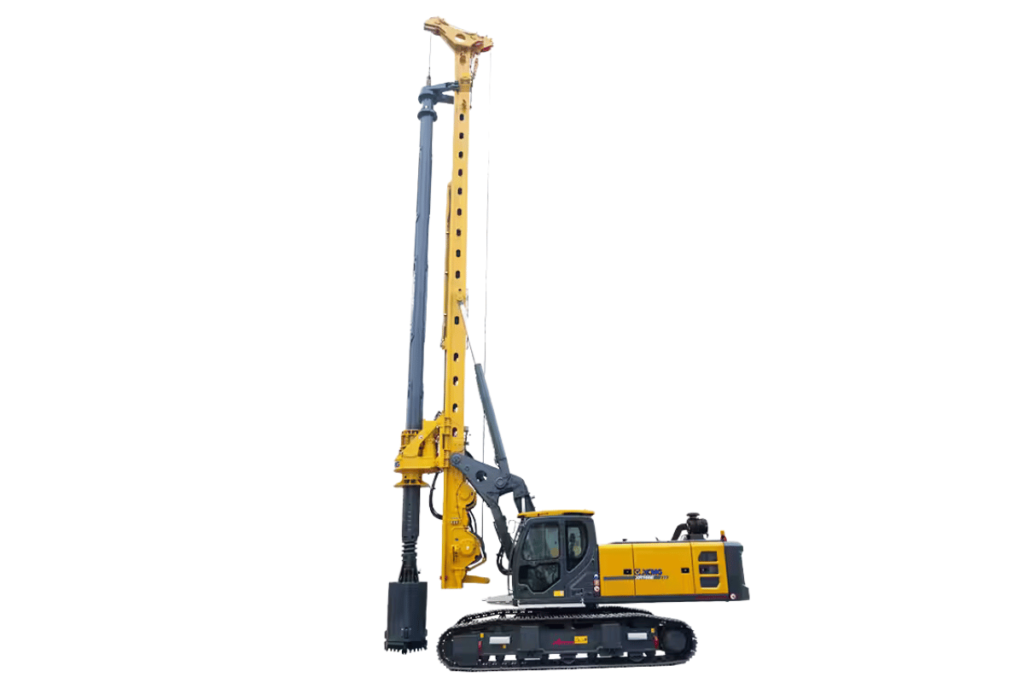
The Early History of Drill Rigs
The history of drill rigs is as old as civilization itself, with early examples of drilling technology tracing back to ancient times. The earliest forms of drill rigs were simple and manually operated, reflecting the ingenuity and needs of the eras they served.
In ancient China, for instance, bamboo rigs were employed to extract brine and natural gas, which were used for salt production and as a fuel source. These early drill rigs were rudimentary structures where workers would drop a cable tool into the earth, a technique that required significant human labor.
Moving forward to the 19th century, the advent of the industrial revolution brought about key developments in the design and function of drill rigs. The introduction of steam power revolutionized drilling operations, allowing for deeper and faster penetration into the earth’s crust. This era saw the creation of the first mechanical drill rigs, which were capable of reaching previously inaccessible oil reserves, paving the way for the modern petroleum industry.
One of the early significant milestones was the use of the cable-tool drilling method, often referred to as percussion drilling, which involved lifting and dropping a heavy drill bit into the borehole to crush the rock. Although effective, it was a slow process that paved the way for the development of rotary drilling.
Rotary drilling, a concept that originated in the ancient Chinese technology, was refined in the late 1800s with the introduction of the rotary table. This allowed for continuous rotation of the drill bit and was a major step forward in drilling technology, leading to the Spindletop gusher in 1901, which marked the birth of the modern oil industry.
The design and function of early drill rigs have been characterized by continuous adaptation and improvement. The evolution from manual systems to the first mechanical rigs set the stage for a century of innovation that would see drill rigs become more sophisticated and capable, with each breakthrough paving the way for the next.
In summary, the early history of drill rigs is a testament to human innovation and the relentless pursuit of better, faster, and more efficient methods of accessing the earth’s resources.
Technological Breakthroughs in Drill Rig Design
The chronicle of drill rig design is marked by significant technological breakthroughs that have revolutionized the art and science of drilling. Each milestone in the history of drill rig advancements reflects a leap forward in efficiency, capability, and safety, shaping the landscape of industrial drilling operations.
One of the earliest and most impactful technological breakthroughs was the transition from percussion to rotary drilling. The rotary technique, which originated in the early 20th century, enabled drillers to reach new depths with improved precision. This method involves a rotating drill bit to cut through the earth, which is significantly more efficient than the up-and-down motion of traditional cable-tool drilling.
Another major advancement was the introduction of the tri-cone drill bit in the 1930s, which replaced the fishtail bit. The tri-cone bit featured three rotating heads, each with several cutting elements that allowed it to crush and grind through rock more effectively. Its design significantly increased the rate of penetration and was better suited for a variety of geological formations.
The development of offshore drilling technology marked another revolutionary step in the evolution of drill rigs. The ability to drill in the ocean required rigs that could withstand harsh marine environments. The first mobile offshore drilling unit, which drilled in the Gulf of Mexico in the late 1940s, set the stage for the modern offshore oil industry.
Furthermore, the advancement of mud systems was crucial. Drilling fluid, or mud, is circulated through the drill rig to remove cuttings from the borehole, maintain hydrostatic pressure, and cool the drill bit. The sophistication of these systems, including the introduction of synthetic-based muds, has greatly improved the efficiency and environmental impact of drilling operations.
The rise of automation in drill rig design has been one of the most transformative advancements in recent decades. Computer-controlled drilling systems have led to automated pipe handling and more precise control over drilling parameters, enhancing safety and reducing the physical strain on workers.
The advent of top drive systems, which replaced the traditional rotary table and kelly drive, allowed for continuous drilling and the ability to quickly connect and disconnect sections of drill pipe. This innovation has streamlined drilling operations, reduced manual labor, and improved safety records.
In conclusion, the technological breakthroughs in drill rig design have not only facilitated the extraction of subsurface resources but have also introduced new levels of safety and environmental stewardship. These advancements have laid the groundwork for a future where drill rigs are likely to become even more automated and efficient.

Drill Rig Advancements in the 20th Century
The 20th century stands as a transformative era for drill rigs, marked by rapid technological advancements that significantly altered their design and functionality. This period witnessed the introduction of new power sources, the automation of drilling processes, and the integration of advanced mechanical systems, reshaping the drilling industry into a technologically driven field.
As the century progressed, the advent of new power sources such as internal combustion engines and later, electric motors, replaced steam engines. This shift brought about more powerful, efficient, and mobile drill rigs capable of reaching greater depths and operating in remote locations.
The introduction of automation features began to take root in the mid to late 20th century. Automated pipe handling systems, iron roughnecks, and top drives reduced the need for manual labor, increasing safety and decreasing the time between drilling operations. These advancements allowed for more continuous drilling processes, increasing overall productivity.
The 20th century also saw the evolution of drill rig transportation. Rigs became more mobile, transitioning from being permanent or semi-permanent fixtures to transportable assets that could be moved as needed to optimize exploration and production strategies. The development of truck-mounted rigs in the latter half of the century was particularly significant, enabling rapid deployment to drill sites and drastically reducing setup times.
Drilling control systems also underwent significant advancements. The introduction of more sophisticated hydraulic systems allowed for finer control of drilling parameters, enhancing precision and efficiency. Moreover, the development of mud pumps and circulation systems improved the removal of drill cuttings and maintained borehole stability.
The century also marked a notable improvement in worker safety and environmental protection. The implementation of blowout preventers (BOPs), emergency shut-off systems, and more effective waste management practices reduced the risk of accidents and minimized the environmental footprint of drilling operations.
In summary, the 20th century was a period of rapid advancement for drill rigs, with improvements in power, automation, mobility, control systems, and safety measures. These developments not only revolutionized how drilling was performed but also expanded the capabilities of the industry to unprecedented levels.
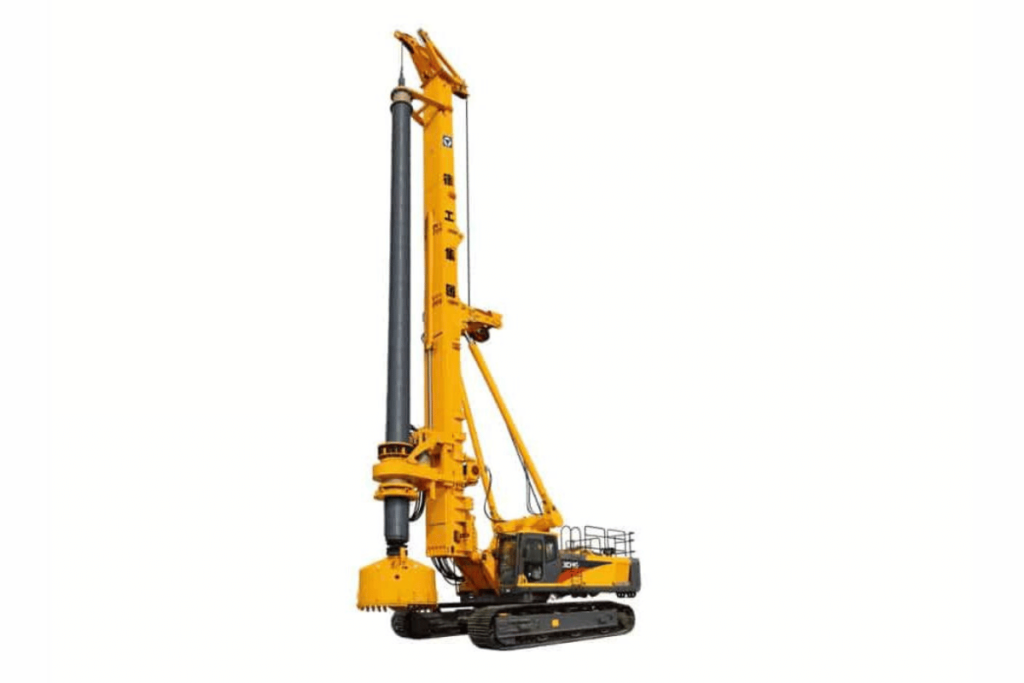
The Modern Drill Rig: A Hub of Advanced Technology
In the modern era, drill rigs have undergone a remarkable transformation, evolving into highly sophisticated machines that play a pivotal role in various industries. Today’s drill rigs are a testament to the convergence of engineering ingenuity and advanced technology. In this section, we’ll explore the features and advancements that define contemporary drill rigs across different industrial sectors.
Contemporary Drill Rigs in Various Industries
Drill rigs have found applications in a wide range of industries, from mining and construction to geothermal energy extraction and scientific research. Each sector has specific requirements, and modern drill rigs are designed to cater to these diverse needs.
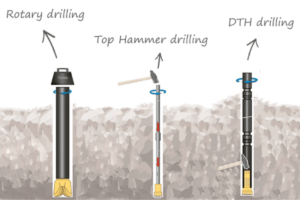
In the mining industry, for instance, drill rigs have become more powerful and efficient, enabling the extraction of valuable minerals from deep underground with greater precision. These rigs often feature advanced drilling techniques, such as rotary drilling and directional drilling, to optimize resource recovery.
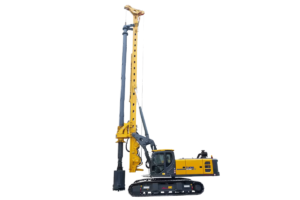
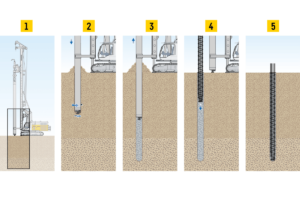
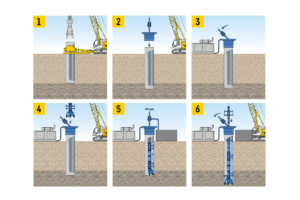
In construction, drill rigs are used for foundation drilling, piling, and other critical tasks. They are equipped with state-of-the-art controls and automation systems that enhance accuracy and safety. Modern drill rigs can be remotely operated, reducing the risks associated with hazardous environments.
The Role of Computerization and Digital Technology
One of the defining characteristics of modern drill rigs is their integration of computerization and digital technology. These advancements have revolutionized drill rig operations in several ways:
- Real-time Data Monitoring: Advanced sensors and monitoring systems provide real-time data on drilling parameters, such as depth, pressure, and temperature. This data is crucial for optimizing drilling efficiency and safety.
- Automation: Many modern drill rigs are equipped with automated features that allow for precise drilling without constant manual intervention. Automation not only improves accuracy but also reduces the workload on operators.
- Data Analysis: Data collected during drilling operations can be analyzed to identify trends and optimize future drilling processes. This data-driven approach enhances productivity and minimizes downtime.
- Remote Control: Remote operation of drill rigs is increasingly common, especially in hazardous or remote environments. Operators can control the rig from a safe distance, improving safety and efficiency.
- Integration with Geospatial Technology: Some drill rigs are integrated with GPS and GIS technology, enabling precise positioning and alignment. This is particularly valuable in applications like geothermal drilling.
Environmental Considerations
As concerns for environmental sustainability have grown, modern drill rigs have also adapted to address these issues. Innovations in rig design have led to reduced emissions, improved energy efficiency, and enhanced waste management practices. Sustainable drilling practices, such as minimizing the environmental impact of drilling fluids and reducing disturbance to ecosystems, are becoming standard in the industry.
In conclusion, the modern drill rig represents a convergence of cutting-edge technology, precision engineering, and environmental responsibility. These machines have become indispensable tools across a spectrum of industries, driving progress, and resource extraction while minimizing their ecological footprint. As technology continues to advance, we can expect further innovations that will shape the future of drill rig technology and its role in our world.
Drill Rigs in Extreme Environments
Drill rigs have ventured beyond the conventional drilling sites and have proven their adaptability in extreme and challenging environments. From offshore drilling platforms to Arctic ice sheets and arid deserts, these rugged machines have been modified and equipped to withstand the harshest conditions. In this section, we’ll explore the adaptations and innovations that have enabled drill rigs to conquer extreme environments.
Offshore Drilling: Navigating Uncharted Waters
Offshore drilling presents a unique set of challenges, from the corrosive effects of saltwater to the unpredictability of oceanic conditions. To tackle these challenges, specialized offshore drill rigs have been developed. These rigs are often mounted on floating platforms or fixed structures, such as oil platforms. They are engineered to maintain stability in the face of rough seas and high winds.
Offshore drill rigs employ advanced positioning systems to maintain accurate wellbore placement. Dynamic positioning (DP) systems, along with GPS technology, allow these rigs to stay precisely on target even in deep waters. Additionally, they are designed to handle the logistics of drilling in remote, offshore locations, including the transport of personnel and equipment.
Arctic Exploration: Cold and Isolation
The Arctic presents a harsh and unforgiving environment with extreme cold, ice, and isolation. Drill rigs operating in these conditions must contend with sub-zero temperatures and icy surfaces. Innovative design and technology adaptations have made Arctic drilling feasible.
Arctic drill rigs are often equipped with insulated cabins and advanced heating systems to protect both equipment and crew from extreme cold. The drills themselves are engineered to operate in low-temperature environments, and special considerations are made for transporting drilling fluids and materials in frozen conditions.
Desert Drilling: Battling Heat and Sand
In contrast to the frigid Arctic, deserts pose their own set of challenges. High temperatures, sandstorms, and arid conditions can take a toll on machinery and personnel. Drill rigs used in desert environments are built to endure these challenges.
Desert drill rigs incorporate cooling systems to prevent overheating and dust filtration systems to protect delicate components. Maintenance protocols are meticulously designed to address the abrasive effects of sand on equipment. These rigs are also equipped with advanced navigation and geospatial technology to ensure precise drilling in vast, remote desert landscapes.
Innovations for Extreme Environments
The adaptability of drill rigs in extreme environments is a testament to engineering innovation. To ensure safe and efficient operations, these rigs feature redundancy in critical systems and employ fail-safe mechanisms to mitigate potential risks. Emergency response plans are rigorously developed and rehearsed to address any unforeseen situations.
In addition to their durability, drill rigs in extreme environments often prioritize minimal environmental impact. Rig operators employ practices to protect fragile ecosystems, such as using biodegradable drilling fluids and minimizing disturbance to wildlife.
In conclusion, the adaptability of drill rigs to extreme environments demonstrates the versatility and resilience of these machines. Whether drilling beneath the ocean’s surface, within the Arctic Circle, or amidst desert dunes, the evolution of drill rig technology continues to push the boundaries of what is possible. As our understanding of extreme environments grows and technology advances further, we can expect even more remarkable innovations in the field of drill rig operations.
The Environmental Impact of Drill Rig Technology
As drill rig technology has advanced, so too has our awareness of its environmental impact. The drilling industry has made significant strides in addressing environmental concerns and adopting sustainable practices. In this section, we will examine how advancements in drill rigs have led to positive environmental changes and discuss the sustainable practices that are now integral to modern drilling operations.
Addressing Environmental Concerns
Historically, drilling operations were associated with negative environmental consequences. Spills, emissions, and habitat disruption were common issues. However, the industry’s recognition of these problems has driven the development of more environmentally responsible practices.
1. Reducing Emissions: Modern drill rigs are equipped with emissions-reduction technologies, such as catalytic converters and exhaust filters, which minimize the release of pollutants into the air. Additionally, some rigs are powered by cleaner energy sources, like natural gas or electricity, further reducing their carbon footprint.
2. Efficient Resource Use: Drill rigs have become more efficient in resource utilization. Advanced drilling techniques, including directional drilling and multi-well pad drilling, allow for increased resource recovery from a single location. This reduces the need for additional drilling sites and minimizes habitat disturbance.
3. Drilling Fluid Management: The industry has developed eco-friendly drilling fluids that are less harmful to the environment. These fluids are designed to be biodegradable and less toxic, reducing the risk of contamination if a spill were to occur.
4. Habitat Restoration: In cases where drilling does impact local ecosystems, many companies now have habitat restoration programs in place. These initiatives aim to mitigate the environmental impact by replanting vegetation, restoring wetlands, or rehabilitating affected areas.
Sustainable Practices
Modern drill rig operations are guided by principles of sustainability. The industry recognizes the importance of responsible resource extraction and strives to minimize its environmental footprint through various measures:
1. Environmental Impact Assessments: Rig operators conduct comprehensive environmental impact assessments before drilling begins. These assessments identify potential risks to ecosystems, water sources, and wildlife habitats. Mitigation strategies are then implemented to protect these areas.
2. Regulatory Compliance: The drilling industry is subject to strict environmental regulations. Compliance with these regulations is non-negotiable, and companies invest in training and technology to ensure adherence to environmental standards.
3. Waste Management: Proper disposal of waste materials, including drilling muds and cuttings, is a top priority. Recycling and reusing materials wherever possible is a common practice.
4. Community Engagement: Companies engage with local communities to address concerns, provide information, and collaborate on environmental protection initiatives. This fosters a sense of responsibility and accountability.
5. Technological Innovations: Ongoing research and development efforts focus on creating more sustainable drilling technologies. This includes the use of alternative drilling fluids, energy-efficient equipment, and improved waste containment systems.
In conclusion, the environmental impact of drill rig technology has evolved from a history of challenges to a future focused on sustainable practices and responsible resource extraction. While the industry has made significant progress, there is a continued commitment to innovation and improvement in environmental stewardship. As the demand for natural resources persists, the drilling industry’s ability to balance economic growth with environmental responsibility will remain a critical factor in shaping our planet’s future.
The Future of Drill Rig Technology
The evolution of drill rigs has been a testament to human ingenuity and technological advancement. Looking ahead, we can anticipate a future where drill rig technology continues to push boundaries and meet the evolving demands of various industries. In this section, we will explore predictions for the next era of drill rig advancements and the emerging technologies that are poised to reshape the field.
Predictions for the Next Era of Drill Rig Advancements
The future of drill rig technology holds great promise, driven by several key trends and predictions:
1. Automation and Robotics: Automation will play an increasingly prominent role in drill rig operations. Advanced robotics and artificial intelligence (AI) will enable rigs to perform tasks with greater precision and efficiency. Autonomous drilling rigs, capable of self-adjusting in real-time, will become more common.
2. Data-driven Decision Making: The collection and analysis of drilling data will become even more sophisticated. Predictive analytics and machine learning algorithms will provide drill rig operators with insights to optimize drilling processes and minimize downtime.
3. Green Drilling Technologies: Environmental sustainability will remain a key focus. The industry will continue to develop and adopt eco-friendly drilling fluids, reduce emissions, and explore renewable energy sources to power rigs.
4. Enhanced Drilling Techniques: Innovations in drilling techniques, such as sonic drilling and laser drilling, will enable rigs to access previously unreachable resources. These techniques will offer higher precision and speed in drilling operations.
5. Modular and Flexible Rigs: Rigs that can be easily reconfigured for different drilling tasks and environments will gain popularity. Modular design will allow for cost-effective customization and adaptability.
6. Deep-sea and Space Exploration: As terrestrial resources become scarcer, drill rigs will venture deeper into the ocean and even explore celestial bodies like asteroids and the moon. These extreme environments will require specialized technologies and equipment.
Emerging Technologies Impacting Drill Rigs
Several emerging technologies are poised to impact the drill rig industry:
1. 3D Printing: 3D printing of rig components and spare parts will streamline maintenance and reduce downtime. Customized and lightweight components can be manufactured on-site.
2. Nanotechnology: Nano-scale materials and coatings will enhance drill bit durability and efficiency. They will also be used to improve drilling fluid properties for better environmental performance.
3. Quantum Computing: Quantum computing’s computational power will enable more complex simulations and modeling of subsurface conditions, aiding in wellbore placement and resource estimation.
4. Augmented Reality (AR) and Virtual Reality (VR): AR and VR technologies will assist in remote rig operation, training, and maintenance. Operators can visualize drilling processes and make real-time adjustments from anywhere.
5. Energy Storage: Advances in energy storage technologies will enable rigs to operate in remote and off-grid locations more efficiently, reducing the need for fossil fuels.
In conclusion, the future of drill rig technology promises a thrilling journey of innovation and sustainability. As industries continue to rely on drilling for resource extraction and exploration, the evolution of drill rigs will be essential to meeting the challenges of the 21st century. With emerging technologies and a commitment to environmental responsibility, the drill rig industry is poised to continue its transformation and contribute to a more sustainable and resourceful future.
The journey through the evolution of drill rigs has been one of remarkable innovation and transformation. From their humble beginnings as rudimentary tools to their current status as high-tech marvels, drill rigs have played an indispensable role in various industries. In this concluding section, we will recap the key points of this journey and reflect on the ongoing importance of innovation in drill rig technology.
Recap of the Evolutionary Journey of Drill Rigs
Throughout this article, we have explored the fascinating history of drill rigs, from the earliest forms of drilling to the technological breakthroughs that have shaped the industry. We have witnessed the transition from manual labor to automation, from basic drilling techniques to precision engineering, and from environmental challenges to sustainable practices. The evolution of drill rigs has been a testament to human ingenuity and our ability to adapt to the ever-changing demands of industry and exploration.
The Ongoing Importance of Innovation
As we conclude this exploration of drill rig technology, it is essential to emphasize the enduring significance of innovation in this field. The need for resource extraction, exploration, and scientific research continues to drive the development of drill rigs. The challenges presented by extreme environments, environmental concerns, and the quest for efficiency and sustainability demand ongoing innovation.
Innovation in drill rig technology is not solely about pushing the boundaries of what is possible; it is also about finding responsible and sustainable ways to extract resources from the Earth. The industry’s commitment to environmental stewardship and its dedication to minimizing its ecological footprint will remain crucial as we move forward.
The future holds exciting possibilities for drill rig technology, from increased automation and data-driven decision-making to new drilling techniques and ventures into extreme environments. As we look ahead, we must keep in mind that innovation must go hand in hand with responsible practices and ethical considerations.
In conclusion, the evolution of drill rigs has been a journey marked by progress, adaptability, and a relentless pursuit of excellence. These machines have not only reshaped industries but have also expanded the boundaries of exploration and our understanding of the Earth. As we continue to innovate and advance drill rig technology, we ensure that these remarkable machines will play a vital role in shaping our future while preserving the planet’s integrity and sustainability.
References and Further Reading
- Gischig, Valentin S., et al. (2018). “Geothermal drilling: A review on the status of the technology and potential for further development.” Geothermics, 74, 117-140.
- Petros, George K. (2016). “Directional Drilling and Deviation Control Technology.” Journal of Petroleum Technology, 68(12), 56-64.
- Bai, Baojun, et al. (2019). “A review of unconventional shale gas reservoirs and hydraulic fracturing in China.” Journal of Natural Gas Science and Engineering, 67, 79-95.
- Society of Petroleum Engineers (SPE). (2020). “SPE Drilling Manual.” Wiley.
- World Oil. (2021). “Advancements in Drilling Technology.” Retrieved from