
The landscape of modern engineering and construction is replete with various drilling methods, each tailored to specific requirements of the project at hand. Among these, rotary drilling stands out as a versatile and widely adopted technique, valued for its speed, depth, and precision.
Rotary drilling is a method in which a rotating drill bit is used to cut into the earth, primarily for the discovery and extraction of subsurface resources or for geotechnical investigations. The fundamental principles of rotary drilling hinge on the combination of downward force and rotation to penetrate geological formations. This is achieved through a drill bit attached to a drill string, which is turned from the surface by powerful machinery.
This drilling technique has evolved significantly over time, seeing vast improvements in technology and application. Today, it is celebrated for its ability to achieve rapid penetration rates, reach substantial depths, and maintain high precision in drilling operations.
The sophistication of rotary drilling lies in its adaptability. It can be used in a variety of environments, from soft soil to the hardest rock. The technology has been refined to not only penetrate the ground quickly but also to extract core samples for analysis, contributing valuable information for the construction and mining industries.
In conclusion, as we delve further into the specifics of rotary drilling, its integral role in modern engineering becomes increasingly evident. Its application across diverse projects—from oil and gas to infrastructure development—demonstrates its indispensability in the contemporary drilling landscape. The subsequent sections will dissect the key components of the rotary drilling system, explore the advantages of this method in greater depth, and discuss the technological advancements that continue to push the boundaries of what can be achieved with rotary drilling.

Key Components of the Rotary Drilling System
The rotary drilling system is a complex assembly of components that work in concert to penetrate subsurface formations. Each element plays a pivotal role in achieving the speed, depth, and precision that make rotary drilling an essential technique in modern engineering and construction.
At the heart of the rotary drilling rig setup is the drill bit, the cutting tool that interacts directly with the rock. Drill bits come in various designs, each tailored to the specific nature of the material to be drilled. The choice of bit is crucial, as it affects the rate of penetration and the wear on the equipment.
Above the drill bit is the drill string, a series of interconnected pipes that transmit rotational force from the surface to the bit. The drill string must be both strong and flexible, capable of transferring the high torque produced by the rig while withstanding the bending and compressive forces encountered at depth.
The rotary table, or top drive system, is the component that imparts rotational movement to the drill string. In traditional rigs, the rotary table is located at the rig floor, while modern rigs often use a top drive system, which allows for more efficient drilling operations and enables the handling of longer sections of drill pipe.
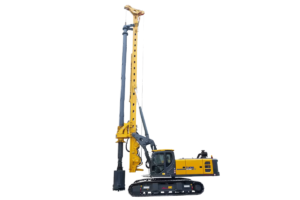
The derrick or mast is the tall structure that supports the weight of the drill string and provides the vertical space needed to lower and raise it. It is a critical component, as its stability and strength determine the maximum depth that can be drilled.
The drawworks is the hoisting mechanism that raises and lowers the drill string and controls the weight on the drill bit. This is essential for maintaining the optimal drilling pressure and for ensuring the safety of the operation, particularly when making connections or tripping in and out of the hole.
The mud system, including the mud pumps, mud tanks, and the shale shaker, circulates drilling fluid, or mud, through the system. This fluid performs several functions: it cools and lubricates the drill bit, carries the cuttings to the surface, and stabilizes the wellbore walls.
The power system, typically consisting of diesel engines or electric generators, provides the energy required to run the drilling operations. This system must be robust and reliable, as any power failure can result in costly delays and potential safety hazards.
The blowout preventer (BOP) is a safety device that can seal the well in case of an uncontrolled release of fluids. This component is critical for preventing blowouts, one of the most dangerous occurrences on a drilling rig.
In summary, the rotary drilling system is a marvel of engineering, with each component specifically designed to contribute to the system’s overall performance.
The Speed Advantage of Rotary Drilling
Rotary drilling is synonymous with speed in the world of drilling operations. Its design and execution allow for a rapid penetration rate, which is a critical factor in the timely completion of drilling projects.
The speed at which rotary drilling achieves penetration is a result of the dynamic interaction between the drill bit and the geological formation. Unlike other drilling methods that may use percussive or impact mechanisms, rotary drilling relies on the continuous rotational motion of the drill bit, facilitated by the drill string and powered by the rotary table or top drive system. This method allows the bit to maintain constant contact with the rock, chipping away at it efficiently and continuously.
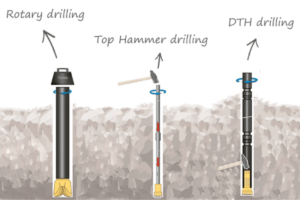
When compared with other drilling methods such as cable tool drilling, which requires lifting and dropping a heavy bit, or even compared to DTH (Down-The-Hole) drilling, which requires the transfer of impact energy down the drill string, rotary drilling stands out for its uninterrupted drilling process. This continuous action translates into faster drilling speeds, as there is no need to stop the bit’s rotation to remove cuttings or to add additional lengths of drill pipe continually.
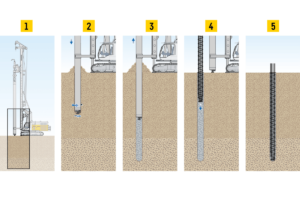
Case studies across various industries underscore the rapid execution of rotary drilling projects. In the oil and gas sector, where drilling speed is essential to reaching the target formation quickly, rotary drilling rigs are capable of drilling thousands of feet per day, significantly outpacing other methods. In construction, for projects such as foundation drilling for buildings and bridges, the speed of rotary drilling enables quick completion of pilings and shafts, keeping projects on schedule.
Moreover, advancements in drilling fluid technology have enhanced the speed of rotary drilling. High-performance drilling fluids are engineered to optimize cuttings removal and bit cooling, further increasing the rate of penetration. Additionally, the development of more aggressive and durable drill bit designs has reduced the need for bit changes, allowing rotary drilling operations to proceed with minimal interruptions.
In conclusion, the speed advantage of rotary drilling is a culmination of its core mechanical process, the efficiency of its components, and the innovations in drilling technology. These factors combined make rotary drilling a method of choice for projects where time is of the essence.
Achieving Greater Depths with Rotary Drilling
The capability to reach substantial depths is a defining characteristic of rotary drilling, making it a preferred method for deep well and resource extraction projects. The mechanics behind this depth capability are rooted in the design of the rotary system and the continuous technological advancements that have been made in this area.
The depth that rotary drilling can achieve is facilitated by the strength and flexibility of the drill string, as well as the power of the rig itself. The rotary table or top drive must provide sufficient torque to turn the drill string and bit as they work their way through various subsurface formations. The design of the drill string is also crucial; it must withstand the immense axial and torsional stresses encountered as the depth increases.
Technological advancements have played a pivotal role in increasing the depth reach of rotary drilling. Modern rigs are equipped with powerful pumps and high-strength drill pipes that can handle the increased pressures and loads at greater depths. The development of sophisticated weight-on-bit control systems ensures that the right amount of force is applied to the drill bit, optimizing the rate of penetration and preventing equipment failure.
Comparative depth analysis with alternative drilling techniques, such as cable tool drilling or DTH drilling, often reveals the superiority of rotary drilling in reaching greater depths. While cable tool drilling is limited by the physical process of lifting and dropping the bit, and DTH drilling can be constrained by the length of the drill string that can effectively transfer impact energy, rotary drilling can continue as long as the structural integrity of the drill string is maintained.
The ability to drill deeper has significant implications for the exploration and extraction of resources. Deeper drilling capabilities allow access to previously unreachable resources, opening new possibilities for oil, gas, and mineral exploration. It also has applications in geothermal energy extraction, where accessing hot rock formations at great depths is necessary.
In conclusion, the depth capabilities of rotary drilling are a result of both the robust design of the drilling equipment and the ongoing improvements in drilling technology. These advancements not only allow rotary drilling to reach new depths but also to do so with the speed and precision required for successful drilling operations.

Precision in Rotary Drilling Operations
Precision in drilling operations is critical for achieving the desired outcomes, whether in oil and gas extraction, mineral exploration, or construction. Rotary drilling offers a high degree of precision due to its advanced operational capabilities and the continuous innovations in drilling technology.
One of the strategies for maintaining precision in rotary drilling is the use of sophisticated navigation and control systems. These systems allow for accurate placement of the drill bit and precise control over the drilling direction. Real-time monitoring of drilling parameters, such as rotational speed, torque, and downhole pressure, enables immediate adjustments to be made, ensuring that the drilling process adheres strictly to the planned trajectory.
The importance of precision in drilling outcomes cannot be overstated. Accurate drilling ensures that exploration targets are met, infrastructure foundations are properly laid, and that the installation of pipelines and other subsurface utilities is carried out correctly. Precision is also essential for safety, reducing the likelihood of wellbore instability and other potentially hazardous situations that can arise from inaccurate drilling.
Technological innovations have greatly enhanced precision in rotary drilling. For instance, the development of downhole motors and steering systems allows for directional drilling, providing the ability to navigate around obstacles and target specific areas within the subsurface formations. Additionally, improvements in drill bit design and materials have led to better rates of penetration and longer bit life, contributing to the overall precision of the drilling operation.
Automation has further improved precision in rotary drilling. Automated drilling rigs can execute drilling operations with minimal human intervention, ensuring consistent performance and reducing the potential for human error. The integration of machine learning and artificial intelligence into drilling operations holds the promise of even greater accuracy and efficiency in the future.
In conclusion, precision in rotary drilling is the result of a combination of advanced drilling equipment, real-time monitoring and control systems, and the latest innovations in drilling technology. These elements come together to ensure that rotary drilling operations can be carried out with the utmost accuracy, meeting the exact requirements of modern engineering projects.

The Economic and Environmental Benefits of Rotary Drilling
The application of rotary drilling not only enhances operational outcomes but also offers significant economic and environmental benefits. These advantages are crucial in an industry increasingly focused on cost efficiency and ecological responsibility.
Economically, rotary drilling operations are cost-effective due to several factors. The high rate of penetration achieved reduces drilling time, which in turn lowers labor and operational costs. The durability and longevity of modern drill bits and machinery mean less frequent replacements and repairs, translating to reduced downtime and maintenance expenses. Additionally, the precision of rotary drilling minimizes the waste of materials and resources, ensuring that drilling is completed within budget and with optimal resource use.
From an environmental standpoint, the benefits of rotary drilling are equally significant. The precision of the drilling process reduces the chances of unintended environmental disruption, and the use of advanced drilling fluids, designed to minimize ecological impact, ensures that surrounding ecosystems are preserved. Dust control measures and noise reduction technologies also mitigate the potential pollution typically associated with drilling activities.
Furthermore, the efficiency of rotary drilling means that less fuel is consumed per meter drilled, contributing to a lower carbon footprint for drilling projects. As environmental regulations become increasingly stringent, the ability of rotary drilling to adapt and minimize its ecological impact is a clear advantage.
Balancing efficiency with ecological responsibility is a hallmark of modern rotary drilling practices. The industry is continually seeking ways to enhance this balance through the development of greener technologies and the adoption of sustainable drilling practices.
In summary, rotary drilling offers compelling economic and environmental benefits that make it an attractive choice for projects that demand high efficiency and a commitment to environmental stewardship.
Challenges and Limitations of Rotary Drilling
Despite the many advantages of rotary drilling, there are challenges and limitations inherent to this method that the industry continues to confront and overcome.
One common challenge is the wear and tear on drilling components, particularly the drill bits and the drill string, which can encounter extreme conditions underground. This can lead to equipment failure and non-productive time if not properly managed. The solution often lies in the development and use of more durable materials and the implementation of real-time monitoring systems that can predict and prevent equipment breakdowns.
Another challenge is the management of drilling fluids, which are essential to the rotary drilling process for cooling the bit, stabilizing the wellbore, and carrying cuttings to the surface. The disposal and treatment of used drilling fluids can pose environmental concerns. In response, the industry has developed more eco-friendly drilling fluids and improved recycling and disposal methods to mitigate the environmental impact.
The limitations of rotary drilling also include difficulties in drilling through extremely hard rock formations or highly fractured zones where maintaining hole integrity can be problematic. Advanced technologies, such as downhole hammers and more efficient bit designs, have been introduced to address these issues.
Drilling accuracy can also be a challenge, particularly when directional drilling is required. While rotary drilling is excellent for vertical wells, achieving the desired trajectory in directional wells requires specialized equipment and expertise. Innovations in directional drilling tools and techniques have been instrumental in improving the accuracy of rotary drilling in these applications.
In addition, the large footprint of traditional rotary drilling rigs can be a limitation in environmentally sensitive areas or sites with space constraints. To counter this, the industry has seen a trend towards more compact and mobile rig designs that reduce the environmental footprint and are more flexible in their deployment.
Finally, the industry faces the ongoing challenge of ensuring the safety of workers and the environment. Continuous advancements in safety equipment, training, and protocols are vital to the responsible operation of rotary drilling activities.
In conclusion, while rotary drilling is a highly effective drilling method, it is not without its challenges. Through continuous innovation and improvement in techniques, equipment, and materials, the drilling industry is steadily overcoming these challenges, enhancing the efficiency, safety, and environmental compatibility of rotary drilling operations.

The Future of Rotary Drilling: Trends and Predictions
The future of rotary drilling is poised for further advancements, with trends and predictions indicating a trajectory towards even more sophisticated, efficient, and environmentally conscious drilling operations.
Emerging trends in rotary drilling technology point towards automation and digitalization. Automated drilling rigs, which can operate with minimal human intervention, are expected to become more prevalent. These rigs can optimize drilling parameters in real-time, respond to changing geological conditions, and reduce the potential for human error. Digitalization will also play a crucial role, with data analytics and machine learning providing insights to enhance decision-making and operational efficiency.
Advancements in drilling equipment are anticipated to focus on increasing the power and precision of drills while reducing their environmental impact. Electric and hybrid power sources are likely to replace traditional diesel engines, leading to a reduction in greenhouse gas emissions. Furthermore, improvements in drill bit and hammer materials will continue to push the boundaries of what can be drilled, allowing for faster penetration rates and longer service life.
In terms of drilling techniques, we can expect a growing emphasis on directional and horizontal drilling, particularly for the development of unconventional resources and in situations where minimizing surface disturbance is crucial. These methods, combined with the precision of advanced rotary drilling equipment, will enable access to resources that are currently uneconomical or technically challenging to exploit.
Future predictions also include the integration of rotary drilling with other technologies, such as geosteering and real-time formation evaluation tools. These integrations will allow for more precise targeting of resources and the ability to adjust drilling operations on-the-fly for optimal resource recovery.
The ongoing quest for faster, deeper, and more precise drilling solutions will drive continuous improvements in rotary drilling methods. As the demand for resources grows and the challenges of accessing them increase, rotary drilling is expected to evolve to meet these demands with innovation and efficiency.
In conclusion, the future of rotary drilling appears vibrant and dynamic. With a focus on technological advancements, environmental responsibility, and operational excellence, rotary drilling will continue to be a cornerstone in the field of drilling, shaping the industry for years to come.
The exploration of rotary drilling within this discussion has illuminated its pivotal role in modern drilling operations. By delving into the key components and advantages of this method, it’s clear why rotary drilling is a preferred choice for achieving speed, depth, and precision in a variety of engineering and construction projects.
Reflecting on the strategic importance of these attributes, rotary drilling has demonstrated its ability to adapt to the evolving demands of the industry. The method’s inherent adaptability and continuous technological enhancements have solidified its position as a fundamental technique in the drilling sector, capable of meeting the challenges of complex and diverse projects.
The economic and environmental considerations discussed affirm the balance that rotary drilling strikes between efficiency and ecological responsibility, a balance that is increasingly critical in today’s resource extraction and construction industries.
As we look to the future, rotary drilling is set to benefit from advancements in automation, digitalization, and drilling materials, ensuring that it remains at the forefront of drilling technology. The industry’s commitment to innovation is poised to drive rotary drilling towards new heights of efficiency and environmental stewardship.
In closing, rotary drilling is more than just a drilling method; it is a testament to the industry’s ingenuity and dedication to progress. With its proven advantages and future potential, rotary drilling will undoubtedly continue to be integral to the success and sustainability of drilling operations worldwide.
References and Further Reading
- “Fundamentals of Drilling Engineering” by Robert F. Mitchell and Stefan Z. Miska. This comprehensive textbook covers the principles of drilling engineering, with a chapter dedicated to the mechanics and operations of rotary drilling.
- “Rotary Drilling and Blasting in Large Surface Mines” by Bhalchandra V. Gokhale. In this in-depth analysis, Gokhale discusses the practical and technical aspects of rotary drilling in large-scale surface mining operations.
- “Applied Drilling Circulation Systems: Hydraulics, Calculations, and Models” by Boyun Guo and Gefei Liu. This resource offers a technical perspective on the circulation systems crucial for the success of rotary drilling, including fluid dynamics and system modeling.
- The Society of Petroleum Engineers (SPE) publishes papers and articles that often include case studies on rotary drilling, detailing advancements in equipment, techniques, and operational best practices.
- “Modern Well Design” by Bernt S. Aadnoy, which presents the latest in well design concepts, including those applicable to rotary drilling operations.
- “Drilling: The Manual of Methods, Applications, and Management” by the Australian Drilling Industry Training Committee Limited. This manual offers practical guidance on drilling methods, with a focus on the operational aspects of rotary drilling.