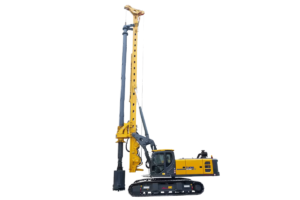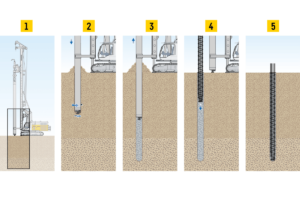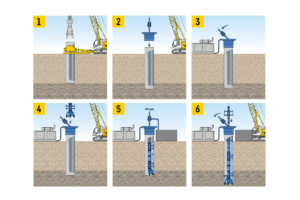

In the realm of drilling operations, efficiency is not merely a desirable attribute; it is an essential criterion that directly correlates with the success and viability of projects. Efficient drilling operations ensure optimal utilization of resources, minimize environmental impact, and reduce operational costs. Within this context, top hammer drilling technology emerges as a significant contributor to enhanced efficiency.
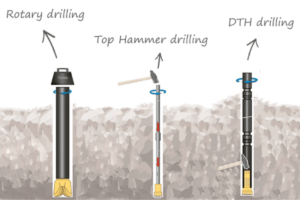
Top hammer drilling is a drilling technique predominantly used in rock excavation, where a hammer is positioned above the drill bit. The hammer strikes the top of the drill string while the rotary mechanism turns the bit, pulverizing rock into small fragments which are then cleared from the hole. This method is favored in surface drilling operations, such as mining and construction, due to its rapid penetration rates and adaptability to various rock conditions.
The components of top hammer drilling equipment include the rock drill, which houses the hammer and the drill bit, the drill rods, the shank adapter, and the bit itself. The synergy between these components is crucial for the system’s efficiency. The mechanics of top hammer drilling systems are characterized by the hammer’s high-frequency impact energy being delivered to the drill bit, combined with the rotational motion, to achieve effective rock breakage.
In summary, the introduction to drilling operations’ efficiency, with a focus on top hammer drilling technology, sets the stage for an in-depth exploration of the fundamentals, advancements, and benefits of this drilling method. It also underscores the importance of efficiency in this field and how top hammer drilling equipment plays a pivotal role in achieving it. The subsequent sections will delve deeper into the mechanics, historical advancements, and operational best practices that contribute to the efficiency of top hammer drilling.

Fundamentals of Top Hammer Drilling
Top hammer drilling is a sophisticated and widely-used drilling technique in the field of construction and mining. It is particularly effective in hard rock formations, where precision and efficiency are paramount.
At its core, top hammer drilling is a method where the impact mechanism, or the hammer, is located directly above the drill bit. The hammer impacts a shank adapter—or a drill rod that transmits the energy to the drill bit causing the rock to fracture. This process is aided by the rotation of the drill bit, which grinds the rock into small cuttings that are then evacuated from the hole.
The key components of top hammer drilling equipment include the rock drill that generates the hammering action, the drill bit that disintegrates the rock, the rods that transmit the impact energy to the bit, and the shank adapter which connects the drill bit to the drill rod. The effectiveness of a top hammer drill is significantly influenced by the quality and compatibility of these components.
Understanding the mechanics of top hammer drilling systems is crucial for optimizing the drilling operation. The high-frequency percussive force delivered by the top hammer to the drill bit enables rapid penetration through rock. However, this process also subjects the equipment to considerable stress and wear, making the durability of the components a critical factor in the overall efficiency of the system.
The efficiency of top hammer drilling is largely determined by the rock’s hardness, the hammer’s energy, the bit’s design, and the drill rig’s power. The ability to adjust these factors to the geological conditions is what makes top hammer drilling a versatile and preferred choice in various drilling applications.
In conclusion, the fundamentals of top hammer drilling rest upon its high-impact, high-efficiency mechanism which makes it suitable for challenging drilling operations. The subsequent sections will explore the historical advancements, technological innovations, and the critical role of equipment in maximizing the efficiency of top hammer drilling operations.
Advancements in Top Hammer Drilling Equipment
The landscape of top hammer drilling has been significantly reshaped by technological advancements over the years, marking an impressive evolution from its early inception to the high-powered precision equipment used today.
Historically, the development of top hammer drilling began with simple, manually operated hammers that required physical strength and stamina. As the demand for industrial drilling grew, so did the need for more efficient and automated systems. The first major advancements involved mechanizing the hammering action, leading to the development of pneumatic top hammer drills, which increased the rate of penetration and reduced the labor intensity of drilling operations.
More recent innovations have focused on enhancing the precision and efficiency of top hammer drilling equipment. One of the most significant improvements has been the introduction of hydraulic top hammer drills, which offer greater power, deeper drilling capabilities, and better energy transfer efficiency compared to pneumatic systems. The increased control over the drilling process provided by hydraulic systems also contributes to more consistent drilling patterns and better blasting results.
Technological advancements have also been made in the materials and design of drill bits and rods, with modern equipment featuring advanced carbide and diamond composites for increased durability and performance. These materials can withstand the high stress and heat generated during drilling, resulting in longer tool life and reduced downtime.
In comparing traditional versus advanced top hammer drilling equipment, the contrast is clear. Older equipment was often limited by slower drilling speeds, higher maintenance requirements, and less precision. Modern top hammer drills, however, are highly automated, with computer-controlled drilling parameters that allow for adjustments in real-time based on the feedback from sensors embedded within the equipment.
These advancements not only improve the efficiency and speed of drilling operations but also enhance safety by reducing the operator’s exposure to hazardous conditions. Moreover, the environmental impact is lessened with more precise drilling, which minimizes waste and reduces the amount of drilling consumables used.
In summary, the progression in top hammer drilling equipment from manual to automated, pneumatic to hydraulic, and the introduction of advanced materials has significantly elevated the field’s capabilities. These technological enhancements have not only optimized the drilling process but have also set the stage for future innovations that will continue to advance the efficacy and precision of top hammer drilling.

Efficiency Metrics in Top Hammer Drilling
Efficiency in top hammer drilling is paramount and encompasses various metrics that collectively determine the effectiveness of the drilling operation. Measuring efficiency in top hammer drilling operations involves assessing the speed of drilling (rate of penetration), the accuracy of the drill holes, equipment reliability, and the cost-effectiveness of the operation.
Rate of penetration (ROP), one of the primary efficiency metrics, is influenced by the hammer’s power, the bit’s design, and the rock’s hardness. A higher ROP means quicker drilling, leading to faster project completion times. Another critical efficiency metric is the accuracy of the drill holes, which ensures that blasting patterns are optimal and resources are not wasted.
The role of equipment in maximizing drilling efficiency is undeniable. Advanced top hammer drilling rigs come equipped with automated features that allow for rapid and precise adjustments to drilling parameters, such as impact force and rotation speed, in response to varying rock conditions. This automation optimizes the drilling process, reduces equipment wear, and minimizes the need for operator intervention, thereby enhancing overall drilling efficiency.
Case studies in the mining and construction industries highlight the impact of these efficiency improvements. For example, projects that have transitioned to advanced top hammer drilling rigs report significant reductions in drilling time and consumable costs, as well as improvements in the accuracy of blasting patterns, resulting in better fragmentation and reduced secondary breakage.
The benefits of these efficiency gains are not only economic but also environmental. Efficient drilling practices reduce fuel consumption and the carbon footprint of drilling operations, contributing to more sustainable project outcomes.
In summary, efficiency in top hammer drilling is not a singular concept but a composite of several key performance indicators. With the advancement of drilling equipment technology, the industry has seen marked improvements in these metrics, driving forward the efficiency and sustainability of drilling operations.

Benefits of Advanced Top Hammer Drilling Equipment
The adoption of advanced top hammer drilling equipment brings a multitude of benefits to drilling operations, spanning direct impacts on productivity to broader environmental gains. The implementation of state-of-the-art technology in top hammer drills has transformed the drilling landscape, enabling operations to be more precise, faster, and cost-effective.
One of the direct benefits of using advanced equipment is the significant increase in drilling speed. Modern top hammer drills are designed to deliver higher impact energy and faster rotation speeds, which translate into a quicker rate of penetration, especially in challenging rock formations. This efficiency reduces the time required for drilling projects, leading to considerable cost savings in labor and operational expenses.
Advanced top hammer drilling equipment also has an impact on the quality of drilling projects. Improved precision in drilling accuracy ensures optimal placement of blast holes, which is critical in mining operations for maximizing resource extraction and reducing waste. In construction, it ensures the structural integrity of the project, whether it be for foundational supports or infrastructure development.
The indirect benefits include reduced maintenance costs. Enhanced durability of drill bits and hammers, often made from advanced materials, leads to longer service life and fewer replacements. This durability, combined with improved design, also results in better fuel efficiency and reduced equipment downtime, further driving down project costs.
From an environmental perspective, efficient top hammer drilling practices minimize the carbon footprint of drilling operations. Advanced rigs often feature improved fuel consumption rates and reduced emissions, aligning with the increasing environmental regulations and sustainability goals within the industry.
Furthermore, the noise and dust produced during drilling are considerably lessened with modern equipment. This not only creates a better work environment for the drilling crew but also lessens the impact on surrounding communities and wildlife.
In conclusion, the benefits of advanced top hammer drilling equipment extend well beyond improved operational metrics. They encompass economic savings, enhanced project outcomes, and environmental stewardship, showcasing the profound impact of technological advancements in the drilling sector.

Operational Best Practices for Top Hammer Drilling
The efficiency and longevity of top hammer drilling operations hinge not just on advanced equipment but also on the adoption of best practices. These practices are designed to maximize the potential of the drilling equipment and ensure the safety of the operations.
Effective operation techniques for top hammer drilling begin with the proper setup of the drill rig. This includes ensuring stable positioning and accurate alignment of the drill to the desired drilling pattern. The use of automated drill rig navigation systems can greatly assist in this process, providing precision that manual alignment may not achieve.
Proper handling of the drill rods and careful management of the drill string are also crucial. This involves using the correct thread compounds, avoiding over-tightening connections, and ensuring that rod handling equipment is functioning properly to prevent damage to the threads and other components.
Maintenance tips for maximizing equipment lifespan and efficiency encompass a regular inspection routine for detecting wear and tear. It’s important to monitor the condition of drill bits and hammers, replacing them before they become too worn and less efficient. Regular cleaning of the drill rig and its components, particularly the dust collection systems, is also essential for maintaining performance and preventing breakdowns.
Additionally, lubrication of moving parts, adherence to proper drilling parameters, and the use of the correct drilling techniques based on the rock formation contribute significantly to the equipment’s longevity and drilling efficiency.
Training for operators is another pillar of best practices. Skilled operators who understand the nuances of top hammer drilling can make informed decisions about drilling parameters and techniques, which can lead to more efficient drilling with less wear on the equipment. Safety protocols are equally important, ensuring that operators are aware of the potential hazards and know how to react in case of an emergency.
In conclusion, while advanced top hammer drilling equipment is capable of significant performance, it is the implementation of operational best practices that fully realizes this potential. Proper setup, maintenance, operator training, and safety protocols are indispensable in achieving optimal efficiency, extending the life of the equipment, and ensuring the safety of drilling operations.
Challenges and Solutions in Top Hammer Drilling
Top hammer drilling, while efficient, encounters its share of challenges that can impede operational efficiency. These challenges are multifaceted, ranging from equipment wear and tear due to the abrasive nature of rock drilling to the precise requirements for drilling parameters tailored to varying geological formations.
One common issue is the rapid consumption of drill bits and hammers, which can lead to frequent interruptions and increased operational costs. To address this, the industry has introduced advanced materials and heat treatment processes to enhance the durability of these components. Additionally, the development of more robust carbide grades and reinforced steel bodies for drill bits has significantly extended their service life.
Another challenge is maintaining drilling accuracy over extended periods, especially in complex rock formations. Technological solutions, such as automated drilling systems equipped with real-time data analytics, have been developed to maintain consistent drilling precision. These systems adjust the drilling parameters on-the-fly, based on feedback from the rock and the performance of the drill bit.
Vibration and noise generated during top hammer drilling can also pose safety risks and cause discomfort to the drilling crew and nearby communities. Innovations such as anti-vibration handles and noise-reduction enclosures have been implemented to mitigate these effects, improving the working conditions and reducing the environmental impact.
Drilling in environmentally sensitive areas presents its own set of challenges, necessitating the need for practices that minimize ecological disturbance. To this end, advancements in dust collection systems and water misting technologies have significantly reduced airborne particulates, contributing to more environmentally friendly drilling operations.
The fluctuating cost of drilling consumables, influenced by global commodity prices, can also be a challenge for maintaining cost-effective operations. Utilization of drilling consumables management systems and long-term contracts with suppliers can help stabilize prices and secure a steady supply.
Looking ahead, future prospects for overcoming efficiency barriers in top hammer drilling include the incorporation of AI and machine learning to predict equipment failures and optimize drilling patterns. There is also ongoing research into alternative drilling techniques that may reduce the reliance on traditional top hammer methods in certain applications.
In summary, while top hammer drilling faces challenges that can impact efficiency, ongoing technological innovations and process improvements continue to provide solutions. These advancements not only address current issues but also pave the way for future enhancements in top hammer drilling efficiency.
The exploration of top hammer drilling within this discussion underscores its critical role in the advancement of drilling operations. We have traversed through the fundamentals of this technology, the historical and latest innovations in equipment, the efficiency metrics that guide operations, and the operational best practices that ensure the longevity and effectiveness of drilling projects.
Advanced top hammer drilling equipment has proven to be a linchpin in the drilling industry, driving forward the efficiency of operations. The direct and indirect benefits of these advancements have manifested in faster, safer, and more cost-effective drilling practices, which also bear the added advantage of being more environmentally friendly.
The future outlook for top hammer drilling is one of continuous innovation. Technological advancements are expected to further enhance the precision, speed, and sustainability of these drilling operations. The industry’s commitment to overcoming efficiency barriers promises to yield new solutions that will push the limits of what can be achieved with top hammer drilling equipment.
In concluding, the key points on efficiency and the transformative impact of advanced top hammer drilling equipment reflect a sector that is dynamic and evolving. The sustained emphasis on improving technology and adopting best practices is set to continue, ensuring that top hammer drilling remains at the forefront of drilling operations in the years to come.
References and Further Reading
- “Advanced Drilling Solutions: Lessons from the FSB” by Roman Shuvalov. This resource provides insights into advanced drilling techniques and equipment, including top hammer drilling practices.
- “Rock Drilling” by Balazs M. Tukora, which details the principles, machinery, and applications of rock drilling, with a focus on top hammer systems.
- “Drilling Technology in Nontechnical Language” by Steve Devereux. This book breaks down complex drilling concepts into accessible language, covering various drilling methods and the technology behind them, including top hammer drilling.
- “The Handbook of Groundwater Engineering” by Jacques W. Delleur. While not exclusively about drilling, this handbook provides context on the importance of precise and efficient drilling practices in groundwater engineering, where top hammer drilling plays a role.
- Articles from “The International Journal of Rock Mechanics and Mining Sciences” and “Mining Technology”, which frequently publish studies on the latest advancements in drilling technologies and their real-world applications.
- “Sustainable Drilling Operations: The Need for Efficient Practices” by Brian Tarr. This resource discusses the environmental aspects of drilling and the importance of efficiency in sustainable operations.